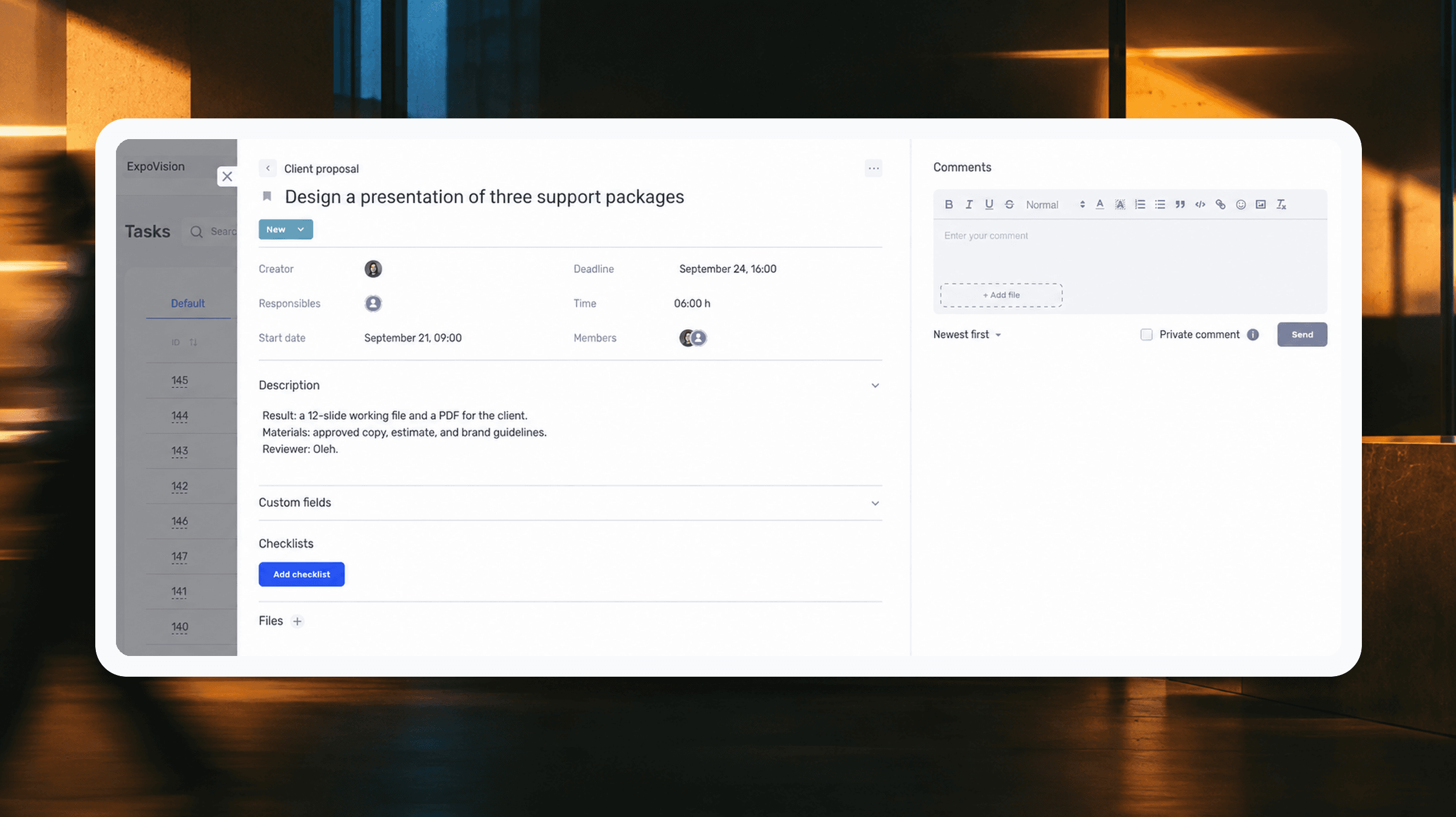
We break down how to assign tasks so they actually get done: what a brief must contain, how to word the result and the deadline, who takes ownership and how to check completion. With an example, an acceptance checklist and a template for running the task in if.team from start to finish.
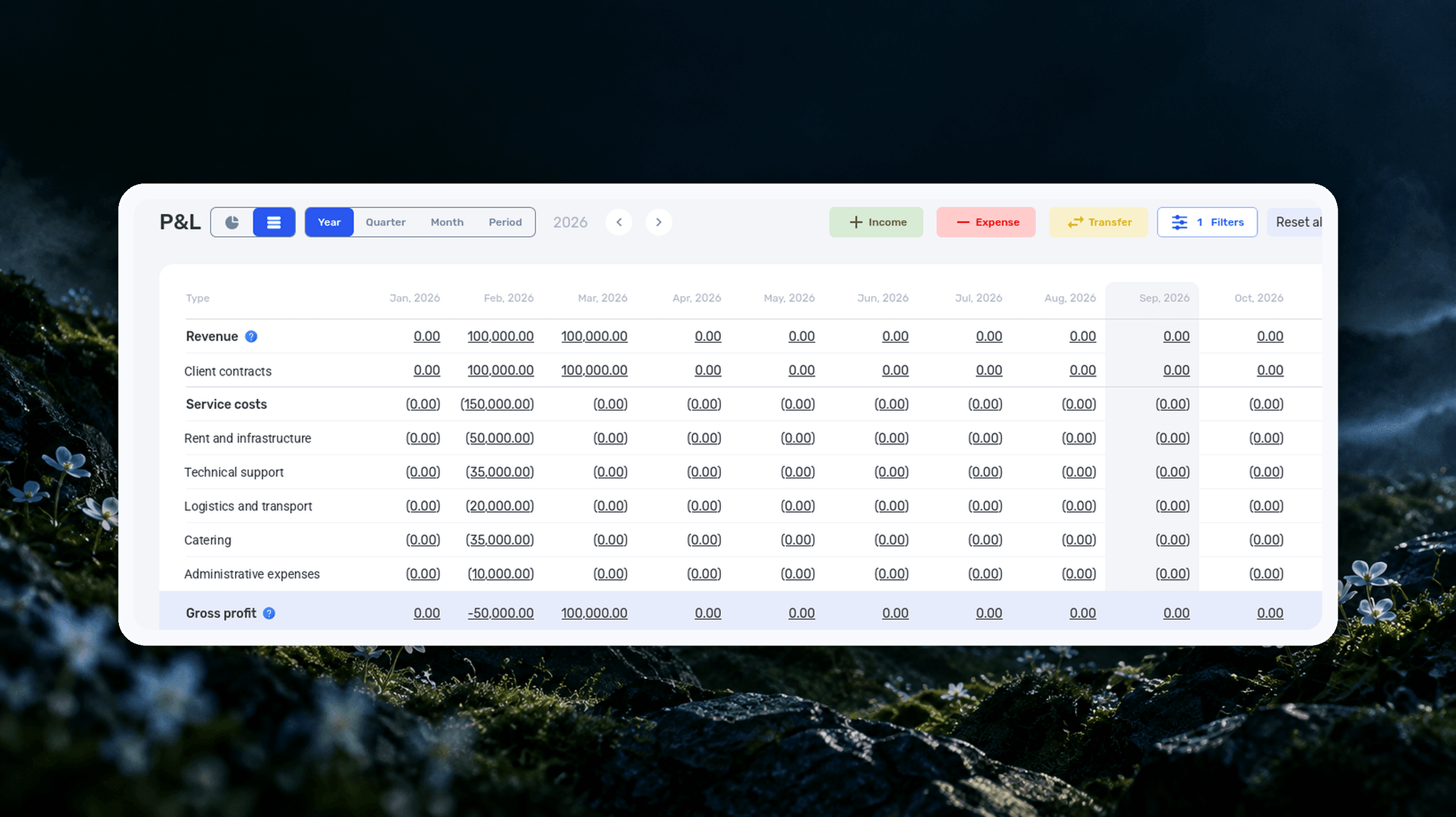
We explain what a profit and loss statement is, how it differs from Cash Flow, and why profit is not the same as the cash left in your account. We break down the P&L structure from revenue to net profit, walk through a calculation for a service company and show how to build your first report.
Candidate sourcing usually starts outside the recruiting system. The if.team Chrome extension reads a profile on LinkedIn, Djinni, Work.ua, or Robota.ua, parses the resume with AI, and creates a candidate card directly in the right vacancy.
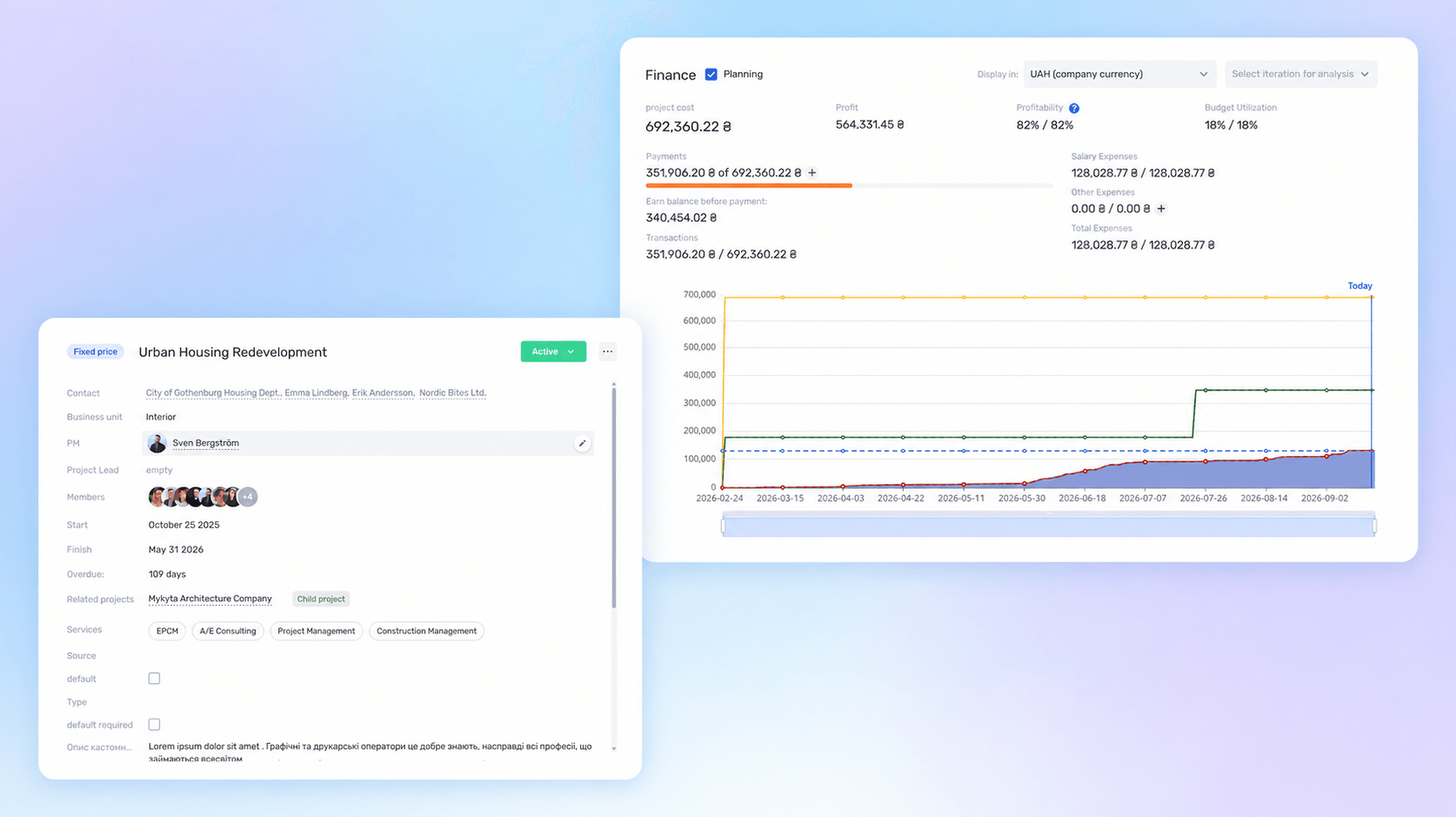
We updated two parts of the project page: economics and editing the main project data. The finance block now shows the remaining amount due and switches currency, while PM, participants, dates, and custom fields are edited right on the project page.
How if.team CRM for event agencies helps KiwiParty manage inquiries from Instagram, Telegram, and WhatsApp, prepare estimates, and plan turnkey events.
How if.team ERP for an event company helps Creatura manage event projects and budgets, receive transactions from PUMB, and automatically create folders in Google Drive.
How if.team ERP for a concert agency helps BigShow manage concert projects, preparation stages, contractor agreements, and the finances of concerts and the orchestra.
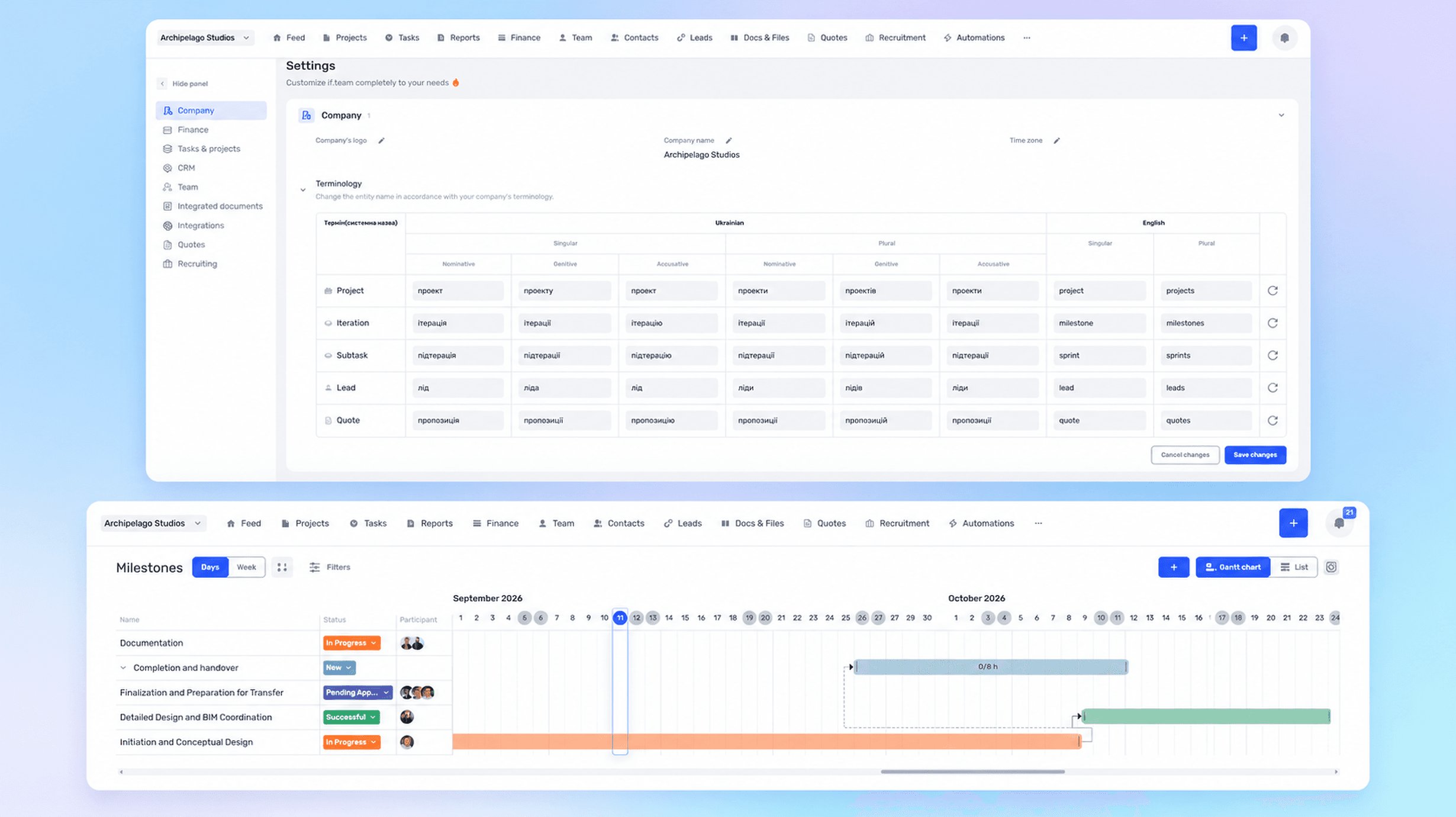
For one team an iteration is a stage, for another it is a phase, milestone, or sprint. You can now rename projects, iterations, sub-iterations, leads, and quotes in the company settings, and the system uses those names across related sections.
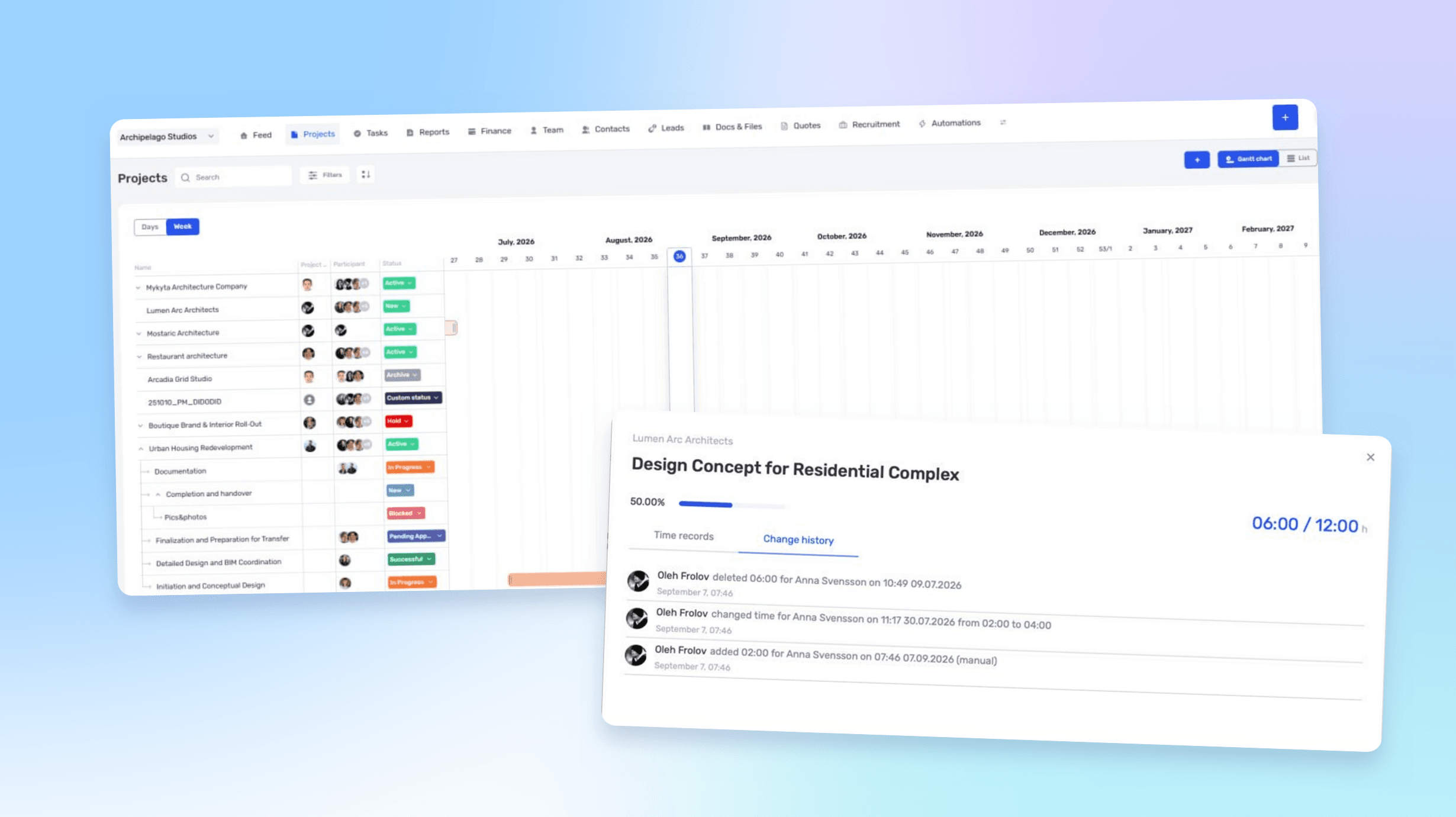
Iterations in if.team can now be connected by dependencies, while projects on the main Gantt chart can be expanded into individual stages. Tasks now include worklog change history, one-click field editing, and separate subtask management on Kanban boards.
In a Ukrainian charity foundation, finances are closely tied to individual projects. Funds come in for different initiatives, expenses have their own structure, and the team needs a clear view of both each project budget and the foundation’s overall cash flow.
A business club revolves around its members. The team maintains the member database, tracks subscriptions, organizes events, coordinates internal tasks, and keeps information about how people take part in the life of the community.
Ukrainian nonprofits often begin with a small team and one specific problem they want to solve. Some support internally displaced people and veterans, while others work in education, culture, or community development. As they grow, so does the volume of day-to-day operational work.
No credit card required. Get full access to all features and see how if.team can transform your team's workflow.