
Agile vs Waterfall: Which Methodology to Choose
The choice of project management methodology affects the speed of work, process control, and team efficiency. Agile and Waterfall are the two most popular approaches. Agile is flexible, focused on quick changes. Waterfall is sequential, with clear structure and documentation. In this article, we…

The choice of project management methodology affects the speed of work, process control, and team efficiency. Agile and Waterfall are the two most popular approaches. Agile is flexible, focused on quick changes. Waterfall is sequential, with clear structure and documentation. In this article, we compare both methods and show when each is better to use.
What is Agile and Waterfall in simple words
Before choosing a methodology, it is important to understand how they differ and how they work in practice. Agile and Waterfall are two opposite approaches to project management. One is flexible, the other sequential. Let’s go through their key features to see where each is effective.
What is Agile methodology
Agile is a flexible project management methodology. A project is divided into short cycles — sprints — usually 1–4 weeks. At the end of each iteration, the team demonstrates the result and collects feedback. This way you can quickly see what works and what doesn’t, and immediately adjust the plan.
In Agile, requirements can change at any stage of the project. If the client adds a new task, it is included in the next sprint without breaking what has already been done. This reduces the risk of big mistakes at the final stage and helps save resources.
Decisions are made jointly by the team. The manager guides rather than controls every step. This approach increases motivation and engagement. Agile is especially effective in startups, IT projects, and products where requirements often change and time to release is critical.
What is Waterfall methodology
Waterfall is a sequential methodology. The project is divided into stages: planning → development → testing → implementation. Each stage ends with documentation, and results move to the next level only after the previous one is completed.
Changes at late stages are expensive. If something needs to be redone during testing or implementation, the whole project has to be reworked. That’s why Waterfall works well when requirements are stable and known in advance.
The manager controls the process and assigns tasks between roles. The team follows the plan with almost no adjustments along the way. Waterfall is suitable for large projects, government contracts, engineering, and construction projects. In these cases, deadlines, documentation, and clear structure are critical.
Agile vs Waterfall: comparison
Before choosing a methodology, it is important to understand how Agile and Waterfall handle projects in practice. Let’s break down the key aspects: speed of work, process control, teamwork, and risk management.
Speed and adaptability
Agile wins thanks to short iterations — sprints of 1–4 weeks. At the end of each cycle, the team demonstrates results and gets feedback. If new requirements appear, they are included in the next sprint. The plan is revised without destroying already completed work.
Waterfall is slower. Any changes at late stages require revising documentation and adjusting all subsequent tasks. This makes introducing new ideas and quick changes nearly impossible without extra time and resources.
Control and documentation
Waterfall focuses on formal control. Each stage is documented with reports and specifications. This is convenient for large projects where standards, legal reporting, and transparency for the client are important.
Agile emphasizes control of results through sprint demos and retrospectives. There is less formal documentation. The focus is on the working product and practical value. This speeds up the process but requires strong discipline and engagement from the team.
Teamwork
In Agile, the team is autonomous. All members discuss and make decisions together. The manager guides rather than controls every step. This approach increases motivation, engagement, and speed of response to changes.
Waterfall strictly distributes roles. The manager controls task execution and adjusts the plan when necessary. The team works within the set structure, with little independent decision-making. This reduces the risk of chaos but limits flexibility.
Risks and errors
Agile detects errors in early iterations. Problems are fixed immediately without reworking the entire project. The risk of major issues at the final stage is reduced.
Waterfall detects errors late — during testing or implementation. Fixing them requires redoing completed stages, increasing time and resource costs.
Agile vs Waterfall: what is right for you
The choice of methodology depends on project specifics, the team, deadlines, and external conditions. Agile and Waterfall suit different cases. Let’s look in detail.
When to choose Agile methodology
Agile is effective when a project is dynamic and requirements change. If the client often adds new tasks or refines goals, the flexible methodology allows quick adaptation. The project is divided into short iterations — sprints. At the end of each, teams demonstrate results and collect feedback. This helps immediately see what works and what doesn’t, and adjust the plan.
Agile is especially suitable for startups, IT products, online services, and mobile apps. For example, if updates must be released every week or two, Agile allows the team to react to real data and user requests without stopping the whole project.
Agile also works well when time to market is critical. Quick demonstrations of results help the client see progress and give feedback. This reduces the risk of major mistakes at the final stage. The team is engaged and motivated because it participates in decision-making and sees the impact of its work.
When to choose Waterfall
Waterfall is better for projects with fixed requirements where changes are undesirable or costly. The methodology assumes a clear sequence of stages: planning → development → testing → implementation. Each stage is documented, and the next begins only after the previous one is approved.
This approach is convenient for large projects, government contracts, engineering, and construction projects where deadlines, standards, and documentation are critical. For example, in building construction or implementing a large corporate system, late-stage changes are expensive and require reworking the entire plan. Waterfall reduces the risk of chaos and ensures transparency for the client.
The methodology also suits teams that prefer strict control and role distribution. The manager oversees the plan and process, and the team follows instructions. This helps maintain order in large projects with dozens of participants and complex logistics.
Mixed approaches
Sometimes a hybrid method is chosen — combining Agile and Waterfall. For example, Waterfall is used for project planning and documentation, while Agile is used for development and testing. This combines control and flexibility.
Example: a large company builds a complex information system. The budget and deadlines must be clearly planned (Waterfall), but part of the functionality is developed iteratively and tested with user feedback (Agile). This allows meeting standards while responding to real business needs.
What to use for your project
Agile and Waterfall are different approaches. The choice depends on the project, the team, and the conditions.
Agile suits dynamic projects, startups, and IT products. If requirements often change, time to market is critical, and the team is ready to work autonomously — Agile speeds up the process, reduces the risk of major errors, and increases engagement.
Waterfall suits large projects with fixed requirements. If structure, documentation, strict control, and deadlines are important — Waterfall reduces the risk of chaos, ensures transparency, and provides stability.
Sometimes a hybrid approach is used — Waterfall for planning and documentation, Agile for development and testing. This combines control and flexibility, especially in complex projects.
The main rule: choose the methodology for the project, not the project for the methodology. Understanding the strengths and weaknesses of each approach helps make project management more effective.
Author
Vladyslav ChesnokovPublished
Sep 20, 2025
More articles to read
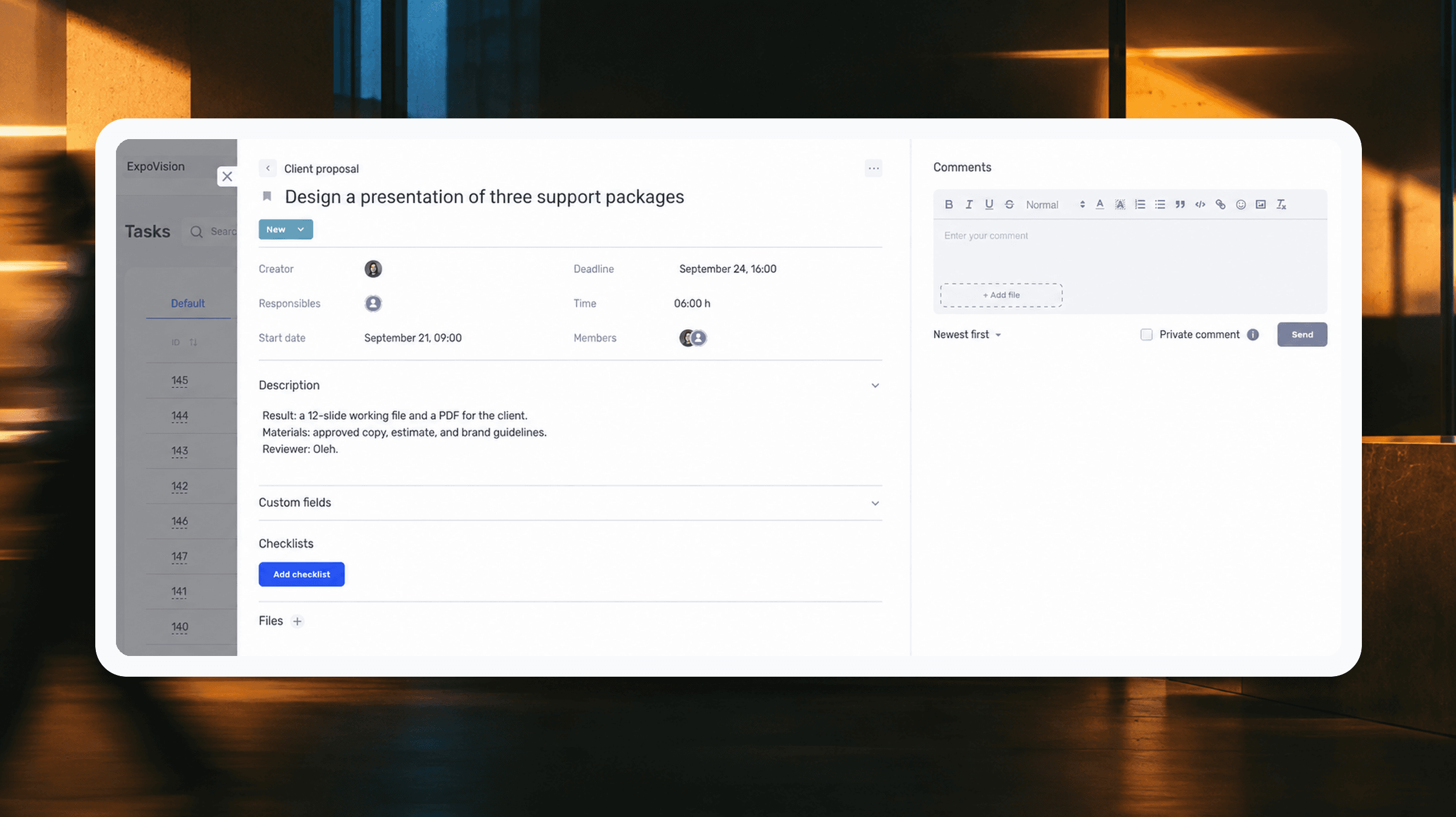
How to assign tasks to your team: from briefing to tracking completion
We break down how to assign tasks so they actually get done: what a brief must contain, how to word the result and the deadline, who takes ownership and how to check completion. With an example, an acceptance checklist and a template for running the task in if.team from start to finish.
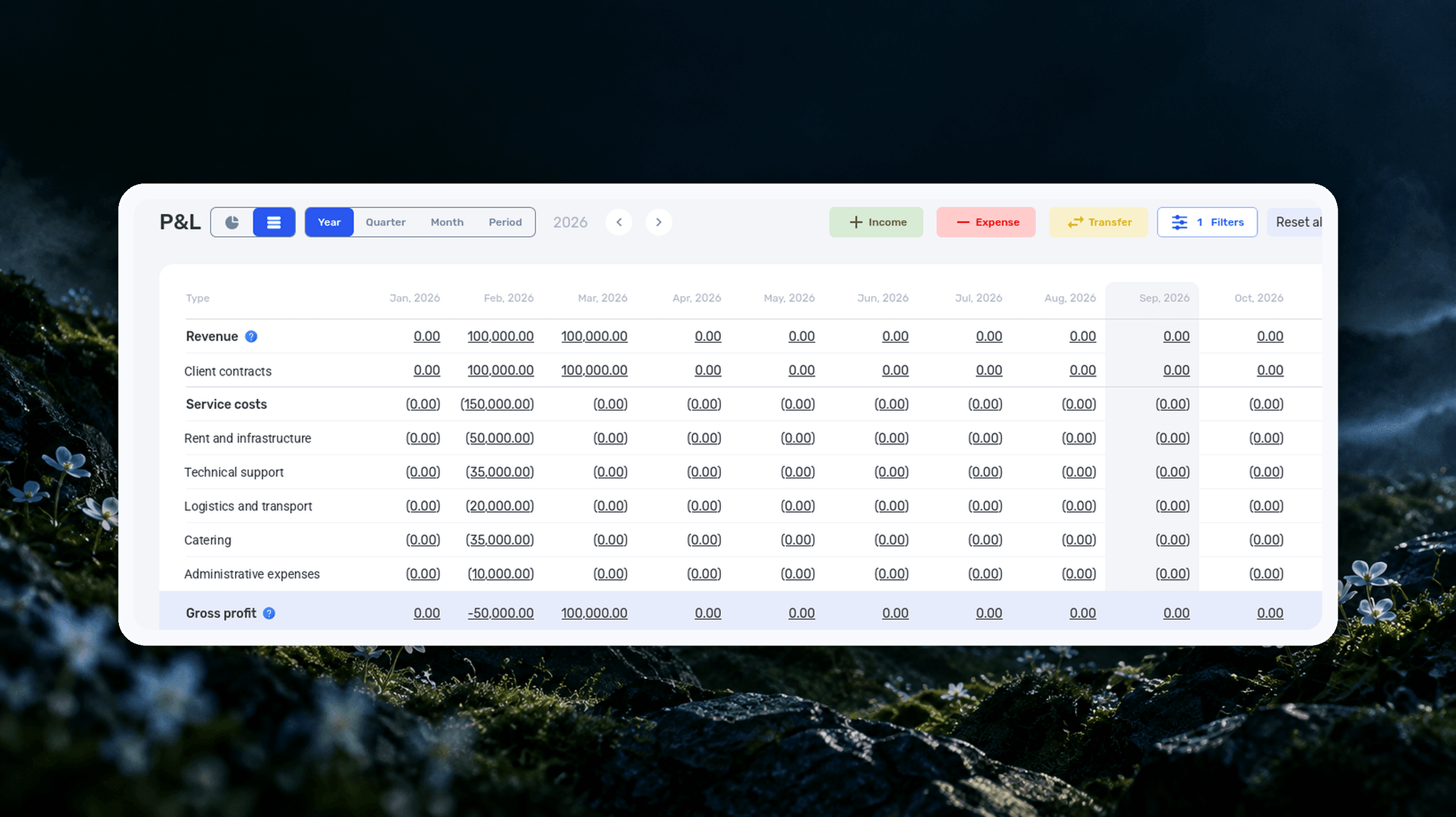
Profit and Loss Statement (P&L): What It Is, How to Prepare and Analyze It
We explain what a profit and loss statement is, how it differs from Cash Flow, and why profit is not the same as the cash left in your account. We break down the P&L structure from revenue to net profit, walk through a calculation for a service company and show how to build your first report.
What Is a KPI in Simple Terms, What It’s For, and How to Evaluate It
What is a KPI in simple terms? It’s one number or several numbers that show whether you’re actually moving toward a specific goal. Not how many actions you took, but whether a result appeared. A KPI isn’t for reporting. It’s for managing work. You look at the indicator and understand what exactly…

What a Bottleneck Is in Business and How to Identify It
A bottleneck in business is the point where a process actually slows down. Not formally, but in reality. This is where tasks pile up, waiting time increases, and the entire system starts working more slowly than it could. It can be a specific person who physically cannot handle the workload. It…
RACI Matrix: Simple Explanation, How It Works, and Use Cases
The RACI matrix helps teams quickly agree on who does what in a project: who performs the work, who is accountable for the final result, who provides expertise, and who needs to receive updates. When these roles are defined upfront, it becomes easier to align decisions and coordinate actions.…
Gantt chart: what it is, why you need it, and how to build a simple working format
In this guide, we’ll break down what this format is, the types of Gantt charts, how to work with them, and how to build a simple online version. No fancy terms or unnecessary decoration. Only what helps you plan.
Start your free 7-day trial
No credit card required. Get full access to all features and see how if.team can transform your team's workflow.